
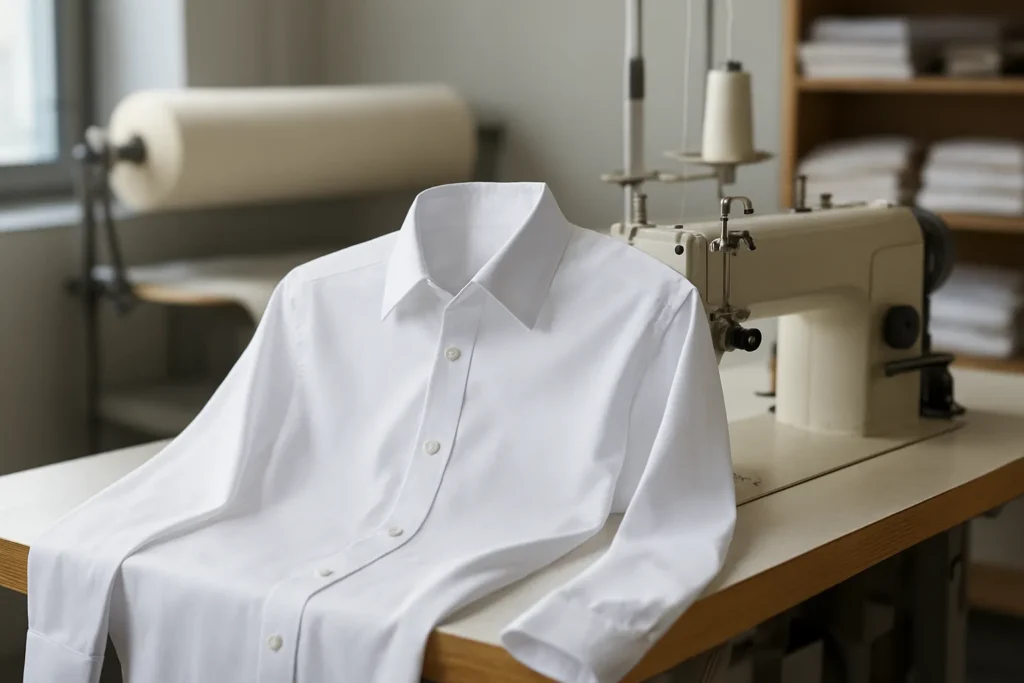
Why Custom Shirt Manufacturing is Key to Your Brand’s Success
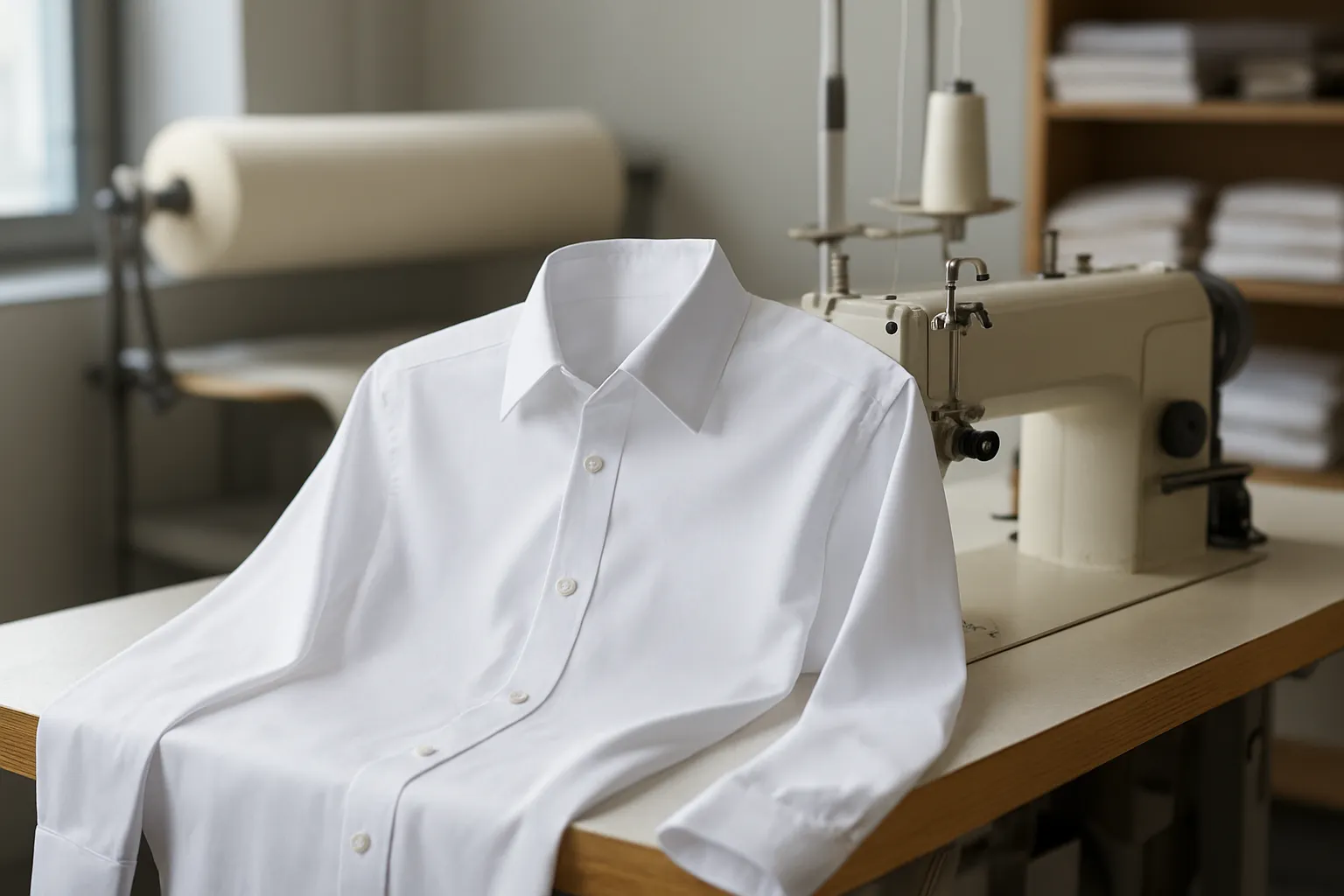
Custom shirt manufacturing is more than just producing clothing; it’s an essential strategy for establishing a strong brand identity. In a saturated marketplace, unique custom shirts can help a brand stand out, effectively conveying its values, culture, and ethos through apparel.
Advantages of Custom Shirt Manufacturing
One of the most significant advantages of custom shirt manufacturing is the differentiation it offers in the market. With countless brands competing for attention, unique shirts can capture potential customers’ interest. Custom shirts allow brands to showcase their individuality, making them memorable and appealing.
Moreover, enhanced brand recognition is another vital benefit. When customers wear shirts that reflect a brand’s logo or message, they essentially become walking advertisements, increasing visibility and recall. This organic form of marketing can lead to greater customer loyalty and valuable word-of-mouth referrals.
Quality control and consistency are also paramount in custom shirt manufacturing. By collaborating closely with a professional shirt supplier, brands can ensure that every shirt meets their quality standards. This level of consistency not only reinforces brand reliability but also boosts customer satisfaction.
Key Specifications to Consider
When embarking on custom shirt manufacturing, several key specifications demand attention. The choice of fabric types and quality is paramount. Selecting the right material affects comfort, durability, and overall appearance. Brands should consider options ranging from cotton and polyester blends to specialized fabrics like moisture-wicking materials for activewear.
Design options and customization are equally crucial. A professional shirt supplier can provide various printing techniques, embroidery options, and color palettes to bring a brand’s vision to life. This flexibility fosters creativity and innovation, ensuring that the final product aligns perfectly with the brand’s identity.
Additionally, sizing and fit considerations should not be overlooked. Custom shirts need to cater to a diverse audience, which means offering a range of sizes and fits. This attention to detail can significantly enhance customer satisfaction and minimize returns.
Use Cases for Custom Shirts
Custom shirts find diverse applications across various sectors. For corporate branding, they serve as uniforms that not only promote a professional image but also foster team unity. Employees wearing branded attire can enhance the company’s visibility in public and create a cohesive brand presence.
Promotional events and giveaways represent another effective use of custom shirts. Brands can distribute these shirts as incentives or gifts, ensuring that their logo is prominently displayed during events. This strategy significantly increases brand exposure.
In retail and e-commerce contexts, custom shirts can serve as a unique selling proposition. Offering exclusive designs can attract customers seeking something different, allowing brands to tap into niche markets and boost sales.
Choosing the Right Professional Shirt Supplier
Choosing the right professional shirt supplier is crucial for the success of custom shirt manufacturing. Evaluating supplier credentials is the first step. Brands should seek suppliers with a proven track record, positive customer reviews, and relevant industry experience.
Comparing pricing and services is also essential. While cost is an important factor, it shouldn’t be the only consideration. Brands should assess the quality of materials, production capabilities, and turnaround times offered by different suppliers to ensure they receive the best value for their investment.
Finally, the importance of communication and support cannot be overstated. A reliable supplier should be responsive and willing to collaborate throughout the design and production process. Effective communication helps address concerns promptly and ensures that the final product aligns with the brand’s expectations.
Implementation Process for Custom Shirts
The implementation process for custom shirts typically begins with initial design and prototyping. Brands should collaborate with their chosen supplier to create mock-ups and samples, allowing for adjustments before full-scale production begins.
Once the design is finalized, understanding the production timeline and delivery is crucial. Brands should work with their supplier to establish clear timelines to ensure that shirts are delivered on schedule, especially for events or campaigns.
Quality assurance checks are a vital step in the process. Conducting inspections during and after production can help identify any defects or inconsistencies, ensuring that the final product meets the brand’s quality standards.
Frequently Asked Questions
- What is the Minimum Order Quantity?
Minimum order quantities can differ by supplier, but many offer flexible options to accommodate both small and large businesses. - How Long Does Production Take?
Production timelines depend on the design’s complexity and the supplier’s capacity. Generally, it can take anywhere from a few weeks to several months. - Can Designs be Updated or Changed?
Yes, most professional shirt suppliers allow for design updates or changes during the prototyping phase, ensuring that the final product meets brand expectations.
Conclusion
In summary, custom shirt manufacturing is not merely an option for brands; it is essential for achieving success in today’s competitive marketplace. By investing in custom shirts, brands can differentiate themselves, enhance recognition, and maintain quality control. Understanding the specifications, use cases, and selecting the right professional shirt supplier are critical steps in this journey. With the right approach, custom shirts can become a powerful tool for branding and marketing, ultimately driving a brand’s growth and success.